Streamlining EMR/EHR Integrations for Multi-Facility Healthcare Networks
Modern healthcare networks rely on seamless data flow across multiple facilities—but fragmented EMR/EHR systems often slow operations and impact care quality. Streamlined integration enables real-time access to clinical data, improves interoperability, and reduces manual effort.
Streamlining EMR/EHR Integrations for Multi-Facility Healthcare Networks
Modern healthcare networks rely on seamless data flow across multiple facilities—but fragmented EMR/EHR systems often slow operations and impact care quality. Streamlined integration enables real-time access to clinical data, improves interoperability, and reduces manual effort.
Modern healthcare networks rely on seamless data flow across multiple facilities—but fragmented EMR/EHR systems often slow operations and impact care quality. Streamlined integration enables real-time access to clinical data, improves interoperability, and reduces manual effort. By connecting systems intelligently, healthcare organizations can enhance clinical outcomes, ensure compliance, and scale efficiently as they grow.
Effective EMR/EHR integration eliminates data silos and creates a unified patient record across facilities. It empowers clinicians with timely, accurate insights for faster and safer decision-making. Most importantly, it builds a connected digital foundation that supports better patient experiences and long-term operational efficiency.
1. Why Integration Matters Now
Multi-facility healthcare networks face growing challenges:
Disconnected EMR/EHR systems
Increased compliance pressure
Rising operational complexity
Demand for real-time clinical data
Getting integration right is no longer optional—it’s strategic.
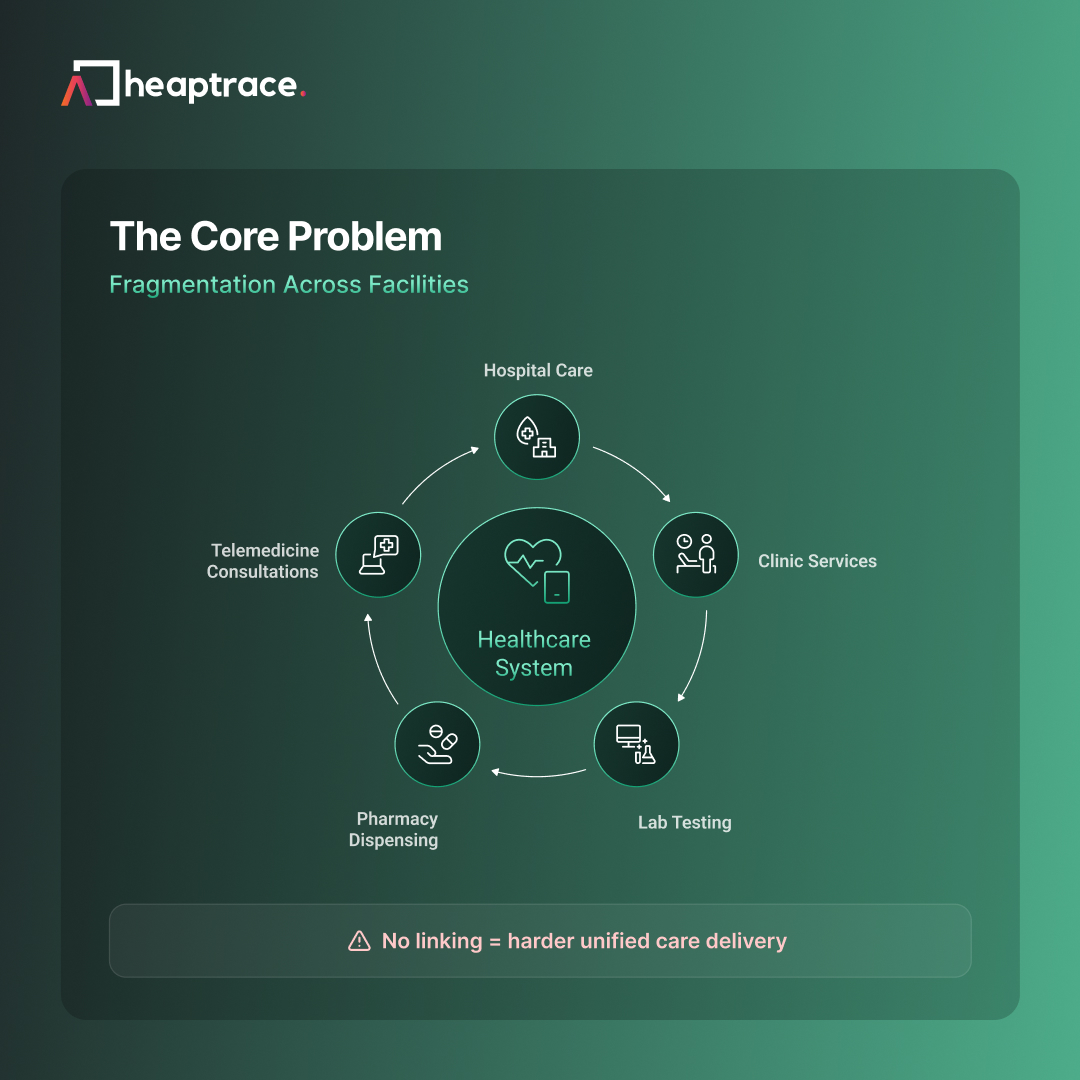
2. The Core Problem
Fragmentation Across Facilities
Hospitals
Clinics
Labs
Pharmacies
Telemedicine portals
Each uses different EMR/EHR vendors → making unified care delivery harder.
3. Integration Bottlenecks
Top Barriers to Smooth EMR/EHR Integration
Vendor-specific data formats
Lack of standard APIs
Slow HL7/FHIR mapping
Security + HIPAA compliance complexity
Legacy systems still in use
High cost of custom development
Healthcare networks need smarter, scalable, standards-aligned solutions.
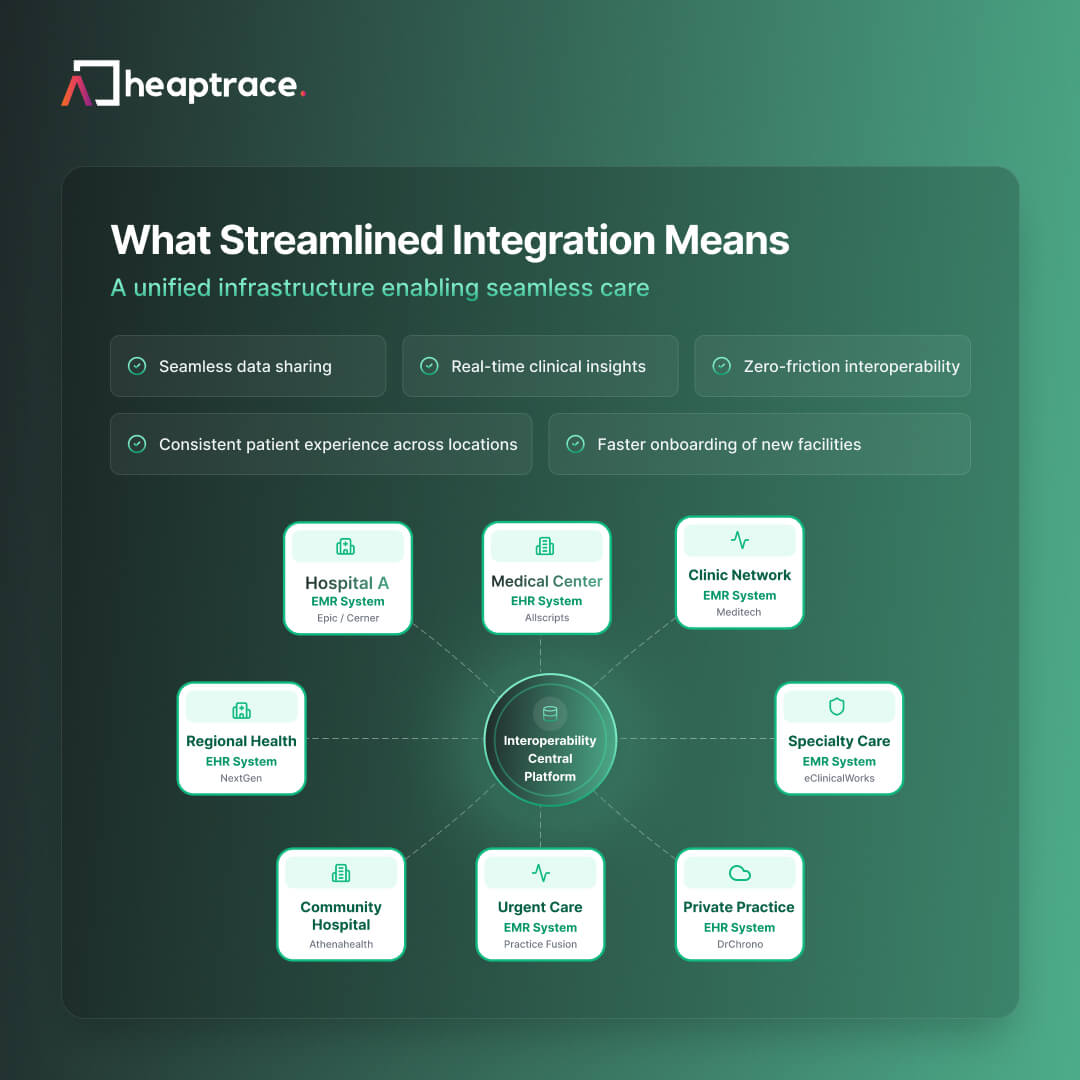
4. What Streamlined Integration Means
A unified infrastructure enabling:
✔ Seamless data sharing
✔ Real-time clinical insights
✔ Zero-friction interoperability
✔ Consistent patient experience across locations
✔ Faster onboarding of new facilities
5. Architecture Overview
Modern Multi-Facility EHR Integration Architecture
Top Barriers to Smooth EMR/EHR Integration
Facility EMR Systems (Cerner, Epic, Athena, Custom EMRs)
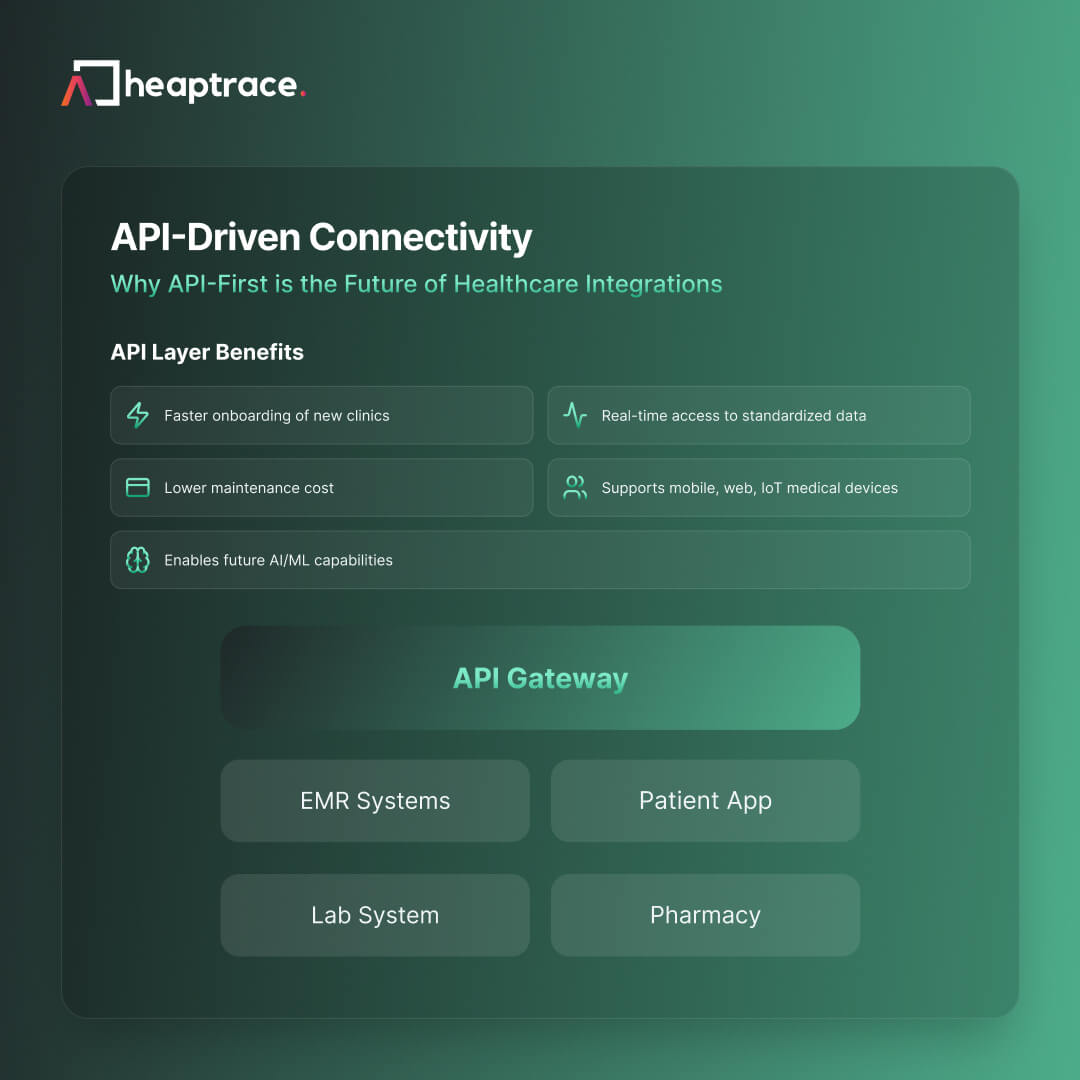
Why API-First is the Future of Healthcare Integrations
API Layer Benefits:
Faster onboarding of new clinics
Real-time access to standardized data
Lower maintenance cost
Supports mobile, web, and IoT medical devices
Enables future AI/ML capabilities
10. Security + Compliance
Integration must be secure by design
✔ HIPAA-compliant data flow ✔ Role-based access control (RBAC) ✔ OAuth2/OpenID Connect for authentication ✔ End-to-end encryption ✔ Audit trails and anomaly alerts ✔ Secure APIs using rate limiting + tokenization
This reduces risk across the network.
11. Integration Approaches Compared
Choose the Right Strategy for Your Network
Comparison Table
Approach
Pros
Cons
Best Use Case
Point-to-Point
Quick for small systems
Unmanageable at scale
Small clinics
Streaming Integration
Real-time data flow
Ops complexity
Live clinical events
Custom ETL Pipelines
Full data control
High maintenance effort
Reporting & analytics sync
RPA-Based Integration
No API needed
Fragile, not scalable
Temporary legacy gaps
Microservices-Based
Integration
Highly modular, scalable
Complex governance
Cloud-native platforms
AI-Assisted Mapping
Engines
Faster schema mapping
Requires training data
Large-scale data migration
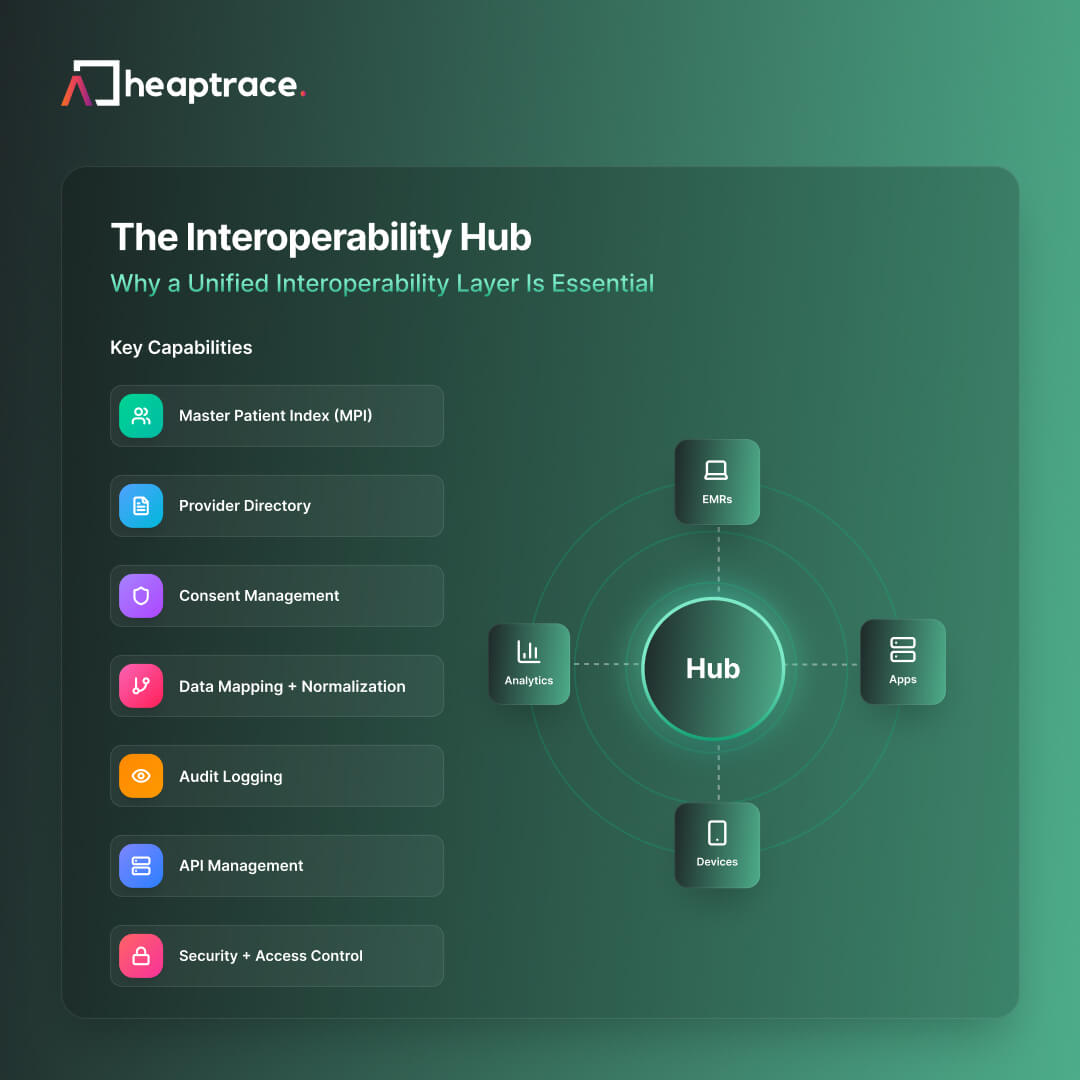
Interoperability Hub
(Hybrid)
Most flexible +
future-proof
Needs expert
governance
Multi-facility ecosystems
12. Business Impact of Streamlined Integration
What Healthcare Leaders Gain
📉 30–40% reduction in manual data entry
📈 15–25% faster clinical decision-making
💰 Millions saved annually in reduced integration maintenance
🧑⚕️ Improved provider productivity
💙 Better patient experience
⚡ Faster onboarding of new facilities & acquisitions
13. Real-World Use Case
How a Multi-State Healthcare Network Unified 12 Facilities
Before Integration:
6 EHR vendors
Manual reports from each branch
48-hour delay in medical record transfers
Inconsistent patient IDs
After Streamlined Integration: ✔ Single unified patient record ✔ Real-time clinical data sync ✔ Automated billing + lab data flow ✔ Network-wide analytics dashboard ✔ Cut reporting time from 48 hours → 10 minutes